Moving with a Pet: Tips to Keep Them Calm
For us, a move is a plan with a date. For a dog or a cat, it’s a day when strangers suddenly appear, the furniture vanishes and everything smells different. With a little preparation, though, moving with a pet can be much calmer — for them and for you.
The tips below come from what we see on moves with families who have dogs and cats in Athens, and from the basic advice vets give. They don’t replace your own vet’s advice, especially if your pet has a health condition.
How do I move with a pet without stressing them out?
Keep their routine steady in the days before, get them used to their carrier, and on moving day shut them in a quiet room or leave them with a friend. In the new home, set up their own corner with familiar things first and let them explore gradually.
Before the move
Start packing gradually
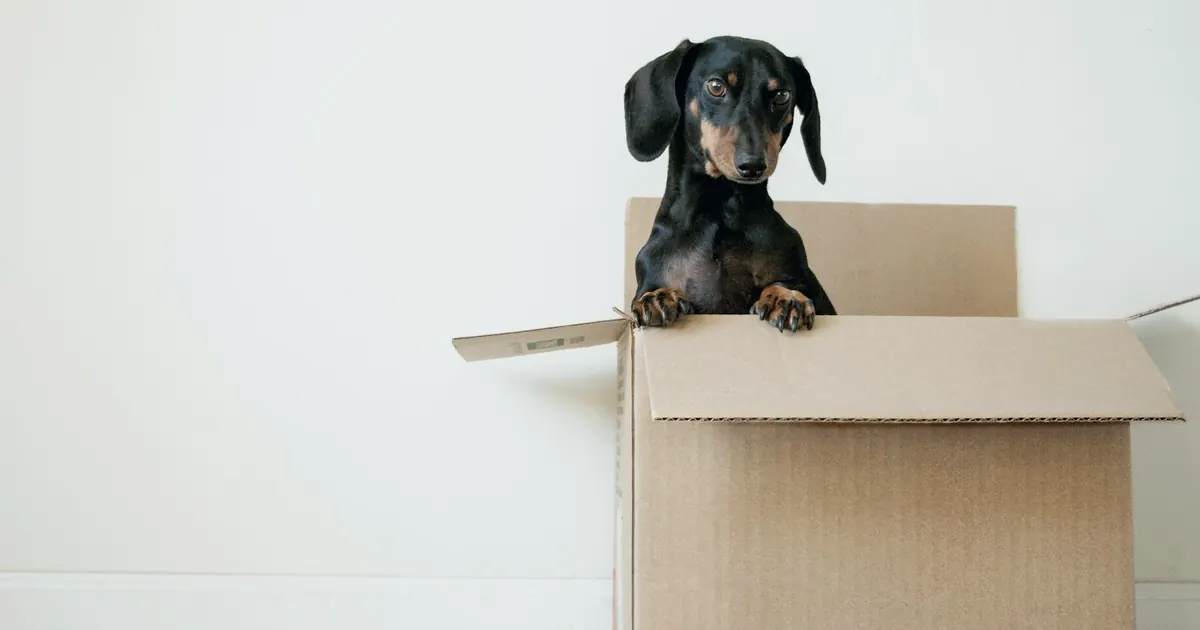
Cats in particular react badly to sudden change. If every box appears in one day, your pet will get anxious. Start packing two or three weeks ahead and leave a few empty boxes open around the house — most cats will explore them with great curiosity.
Get them used to the carrier
If your pet only ever goes into the carrier to visit the vet, they’ll associate it with something unpleasant. Leave the carrier open at home with a blanket and a few treats inside, one or two weeks before the move.
A visit to the vet
A check-up before the move is a good chance to:
- make sure vaccinations are up to date,
- update the contact details and new address on the microchip registration,
- ask about calming medication or natural supplements if your pet gets stressed when travelling,
- get a copy of their health record.
Updating the microchip details really matters: if your pet gets lost in the first few days in a new neighbourhood, whoever finds them can contact you straight away.
Keep their routine the same
Feed, walk and play at the usual times, for as close to moving day as you can. Routine is the most powerful “sedative” an animal has.
On moving day
Moving day is the most stressful day for a pet — and the most dangerous. With doors open, noise and people coming and going, a frightened animal can easily bolt.
- Shut them in a closed room with water, food, their litter tray or bed, and a note on the door: “Do not open — pet inside”.
- Tell the moving team from the start that there’s an animal in the house. Our team always leaves the room with the pet until last.
- Better still, leave them with a friend or at a pet hotel for the day.
- Take them yourself, in your own car. Animals never travel in the moving truck.
- Don’t feed them a big meal before the journey, to avoid car sickness.
Moving aquariums and small animals
Aquariums are a special case. The fish travel in bags or containers filled with water from their own tank, while the tank itself is emptied before it’s moved — even a little water makes it very heavy and can crack the glass. Moving a large, empty aquarium is part of our special item moves. Birds, hamsters and other small animals travel in their own cages, covered with a light cloth, always in your own car.
In the new home
Set up their corner first
Before you let your pet roam free, prepare one room with their familiar things: bed, bowls, toys, the cat’s litter tray. Don’t wash their blanket — the smell of the old home is reassuring.
Explore step by step
Start with one room and open up the rest of the home gradually over a few days. Cats are best kept off balconies and out of the garden for the first two weeks, until they understand the new home is “theirs”.
Safety in the new surroundings
- Check balconies, railings and windows for gaps a pet could fall through or escape from.
- Make sure there are no toxic plants or cleaning products in low cupboards.
- Always keep dogs on the lead for the first walks, while they learn the new neighbourhood.
Patience
It’s normal for a pet to eat less, hide or meow more than usual for the first few days. If it lasts longer than a week or two, talk to your vet.
Dogs in a new neighbourhood: the first walks
Dogs learn a new neighbourhood through their nose. For the first few days, take short, calm walks on the same loop around your home, so they recognise the way back. Keep to the same walk times as before. Find the nearest vet early on and, if there is one, a park or dog area nearby.
Summer moves with a pet in Athens
Many moves in Athens happen in summer, when temperatures often top 35°C. For a pet that’s a real danger:
- Never leave an animal alone in a parked car, not even for a few minutes.
- Move your pet in the early morning if you can.
- Always have cool water and a bowl in the car.
- If the new home is hot, switch the air conditioning on before you bring your pet in.
Checklist: what to bring for your pet
- Carrier, or lead and collar with an ID tag.
- Food and water for two days, plus their bowls.
- Cat litter and a litter tray.
- Their bed or blanket, unwashed.
- One or two favourite toys.
- Medicines and their health record.
- Poo bags and wet wipes.
When to ask an expert
If your pet is elderly, has a health condition or has shown severe anxiety on previous journeys, talk to your vet several days before the move. They can suggest ways to reduce stress and check that your pet is fit to travel comfortably.
A calm move for the whole family
The shorter the upheaval, the faster your pet settles in. A well-organised home move with professional packing means fewer days of boxes and noise at home. Try a quick cost estimate, ask for a free quote for the final price, and tell us about your pet in the form’s message box.