Moving Checklist: What to Do 30 Days Before
A move isn’t one day — it’s a month of organising that peaks on one day. People who start early move more calmly, pay less and forget fewer things. This moving checklist splits the tasks into four weeks, based on what we see every day on moves in Athens.
What should I do one month before moving?
One month before, book your moving company and date, declutter your belongings and start notifying the electricity, water and internet providers of your new address. At the same time, get boxes and packing materials and start packing the things you don’t use every day, such as books and seasonal clothes.
4 weeks before: planning and decisions
The first week is for the big decisions — the ones that will put you under pressure later if they slip.
- Ask moving companies for quotes. Ask for a written quote and compare exactly what each one includes. See which questions to ask every moving company.
- Book a date. If you can, avoid Saturdays and the end of the month, which are the busiest days.
- Declutter. Go room by room and split your things into three groups: keep, give away or sell, throw away. Fewer things mean a lower cost.
- Measure your new home. Doors, corridors, stairs and lift: will the sofa fit? The wardrobe?
- Make a moving folder. One place, physical or digital, for contracts, quotes, receipts and phone numbers.
3 weeks before: materials and the first boxes
- Get materials. Boxes in two or three sizes, packing tape, packing paper, bubble wrap and markers. You can order them from us and we’ll bring them to your home.
- Start with what you don’t use. Books, decorations, seasonal clothes, the storeroom and the loft.
- Label every box. Write the room and the contents on two sides. On fragile boxes write “FRAGILE” clearly and draw an arrow showing which side is up.
- Sort out parking. Tell the building manager at both addresses and ask whether the entrance can be kept clear.
- Think about storage. If your new home isn’t ready, book furniture storage for the time in between now.
2 weeks before: notifications and bills
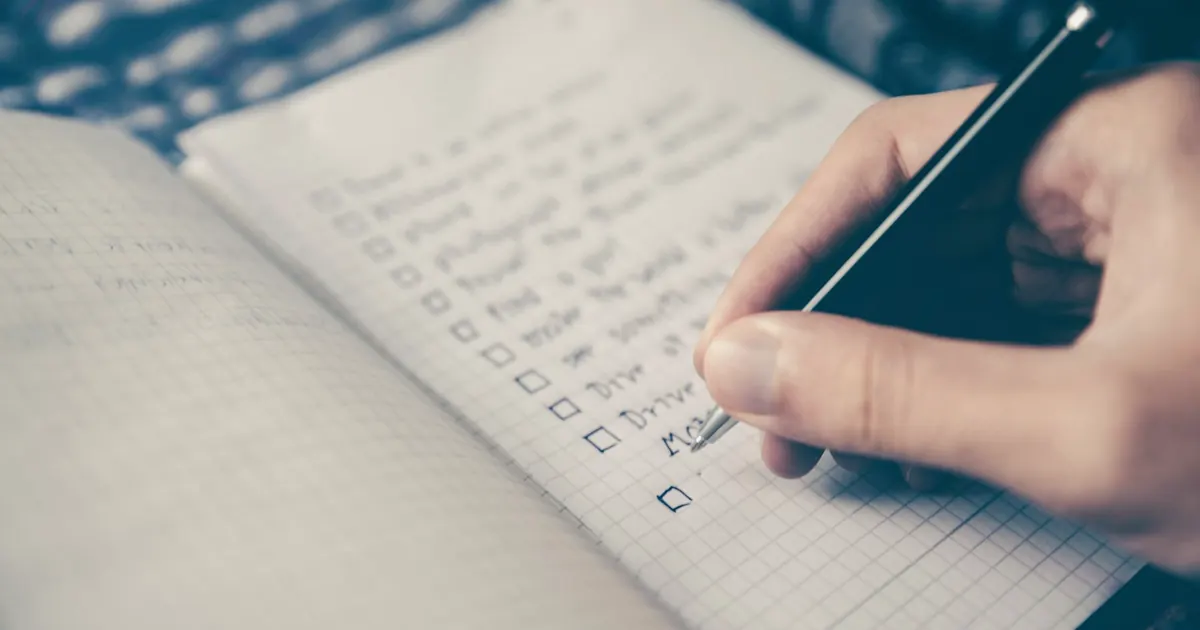
This is paperwork week. Make a list and tick it off:
- Electricity: contact your provider to stop or transfer the supply and to connect at the new address.
- Water: tell EYDAP (the Athens water company) or the relevant municipal service about the change.
- Natural gas: if you have it, book disconnection and connection.
- Internet and phone: moving a line can take days, so start early.
- Banks, employer, schools: give them your new address.
- Public services: update your home address where required, for example with the tax authority (AADE) through myAADE.
- Post and subscriptions: change the delivery address in online shops and subscriptions.
Keep packing at the same time. By the end of this week only the things you use every day should be left out.
1 week before: final details
- Confirm with the moving company. Date, arrival time, addresses, floors and parking.
- Empty and defrost the fridge. A fridge needs at least 24 hours to defrost and dry, so it doesn’t drip during the move.
- Disconnect the washing machine. Turn off the tap, drain the water and, if you have the drum transit bolts, fit them.
- Photograph the connections. TV, router, computer: a photo of the cables saves you an hour in the new home.
- Pack your first-night bag. See the list below.
What to keep with you on moving day
This bag travels with you, not in the truck:
- ID cards, contracts, keys and important documents.
- Money, jewellery and valuables.
- Medicines and phone chargers.
- Clothes and toiletries for two days.
- Toilet paper, soap, bin bags and a small tool kit.
- Water and snacks for you and your family.
On moving day
Be at home when the team arrives and show them what goes, what stays and which boxes are fragile. In the new home, stick a sheet of paper with the name of each room on its door, so the team leaves every box in the right place. Before the truck leaves, check that nothing is left at the old address — cupboards, lofts, the storeroom and balconies.
Room-by-room list: what to watch out for
As well as the timeline, it helps to have a list for each part of the home, because every room has its own traps.
Kitchen
It’s the room with the most small items and the most fragile ones. Keep out a “survival kit” of two plates, glasses, cutlery and one pot for the last few days, and pack everything else early. Use up as much of the food in the freezer as you can in the last two weeks.
Bedrooms and wardrobes
Clothes on hangers can travel in special wardrobe boxes or wrapped in large bags, without taking them off the hanger. Mattresses need a protective cover so they don’t get dirty in transit.
Bathroom
Close the lids of shampoos and cleaning products tightly and put them in a bag inside the box. Medicines go in the bag that travels with you, not in the truck.
Storeroom, loft and balcony
These are the places people forget most often. Check them in the first week: tools, plant pots, bikes and seasonal items need space in the truck and often some decluttering. Water your plants a day or two before, not on the day, so they don’t drip in the truck.
The 5 tasks people forget most often
- Returning the keys and noting the electricity and water meter readings at the old home.
- Photos of the condition of the home at handover, useful for getting your deposit back.
- Changing the address on orders that have already been shipped.
- Disconnecting the washing machine and locking the drum with the transit bolts.
- Checking that the large furniture fits through the stairs and doors of the new home.
After the move: the first week
The list doesn’t end when the truck leaves. In your first week in the new home, unpack the kitchen and bedrooms first, check that electricity, water, heating and internet work, and change the front-door lock if you don’t know how many copies of the keys are around. Collect the empty boxes in one place for recycling or to give to someone else who is moving. Finally, meet the building manager and find out about shared costs, quiet hours and recycling rules.
Start today
A good home move starts with a good plan. If you want to know early on what it will cost, try a quick cost estimate and ask for a free quote for the final price — it helps you plan your budget from the first week.