Moving Without a Lift: What You Need to Know
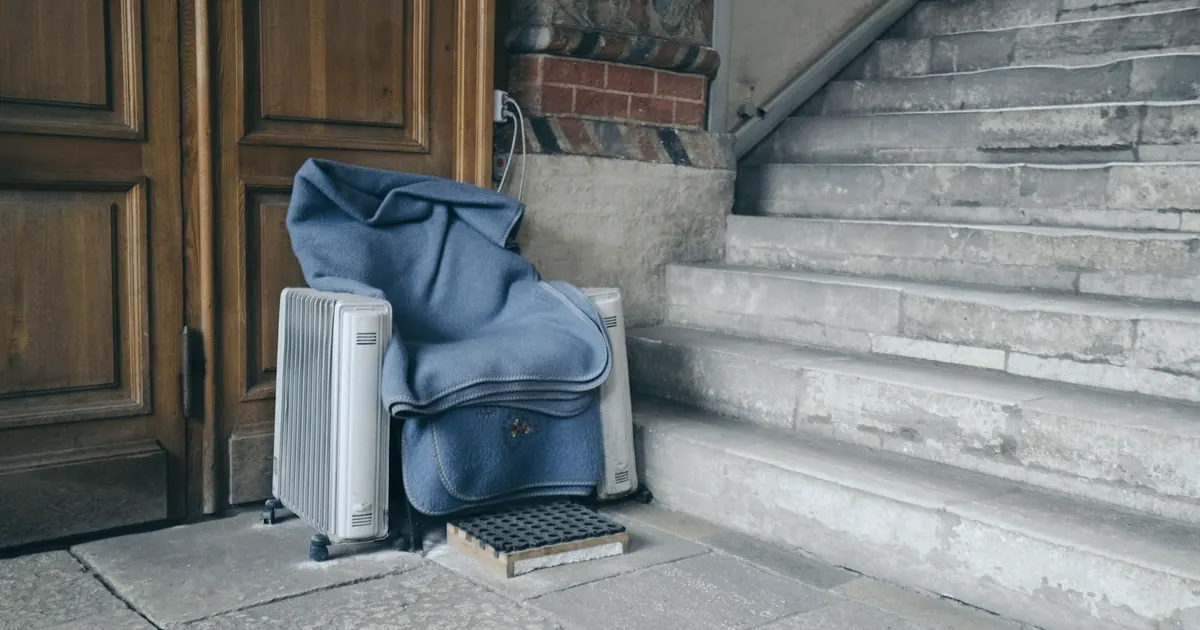
Many Athens apartment blocks from the ’60s and ’70s either have no lift at all or have a tiny one that barely fits two people. If you’re moving into a building like that, everything goes up the stairs — and that takes planning. In this guide we explain how moving without a lift is done properly with a truck and an experienced team, what to check beforehand and how it affects the cost.
Can you move without a lift?
Yes. The vast majority of moves to flats without a lift are done by the stairs as normal, with an experienced team, carrying straps and furniture taken apart properly. It takes longer and needs more people, so there is a surcharge — but with good planning the move is completed safely.
What a team does differently when there’s no lift
Carrying things up the stairs isn’t just “more tiring”. It’s a different technique.
- A bigger team. Heavy furniture on stairs needs at least two people on each piece, and often a third guiding from above.
- Carrying straps. Shoulder straps spread the weight and keep the furniture steady, protecting both the movers and the walls.
- Dismantling before the stairs. Wardrobes, beds and dining tables are taken apart so they can get round the landings.
- Protecting shared areas. Banisters, corners and doors are covered with blankets so they don’t get knocked.
- The right order. Large pieces that need space go first, then the boxes. That way the staircase never gets blocked.
What to measure before the move
The biggest risk in a building without a lift isn’t the floor — it’s a tight landing. Before the move, measure:
- The width of the staircase and the headroom on the landings.
- How the stairs turn. U-shaped staircases are the most difficult for sofas and mattresses.
- The door openings of the flat and the rooms inside.
- The dimensions of your largest furniture: sofa, wardrobe, fridge, double mattress.
Send us these measurements, or a few photos of the staircase, with your request. That way we can tell you in advance whether a piece will fit or needs to be taken apart.
What if a piece of furniture won’t go up the stairs?
In practice, almost everything fits once it’s taken apart properly. Corner sofas split into sections, wardrobes come apart, table legs come off. But there are cases — a one-piece sofa or a very large fridge on a narrow staircase — where carrying it by the stairs simply isn’t possible.
In those cases we’ll tell you honestly during the estimate and suggest alternatives, such as selling the piece and buying one that suits the new space. Carrying things up the stairs is our job; what we won’t do is promise something that can’t be done safely.
How much more does it cost without a lift?
A move without a lift costs more because it takes longer and often needs a bigger team. In our price list you’ll find the indicative surcharge for each address without a lift, from the first floor up. Exactly how much the price goes up depends on the floors, the volume of your belongings and how narrow the staircase is. That’s why the final price is always set in the written quote.
In the quick cost estimate you enter the floor and lift for each address and see how the starting price changes. In your quote request, note the floor and whether there’s a lift at each address, so our quote is accurate from the start.
How to prepare for a stairs-only move
- Cut down the volume. Every box you don’t move is one less trip up the stairs.
- Keep boxes light. Up to 20 kg for normal boxes and less for books — books always go in small boxes.
- Empty the furniture. Drawers and wardrobes must be empty. A full drawer makes a chest of drawers heavy and unstable on the stairs.
- Let your neighbours know. The staircase will be in use for hours. A note at the entrance avoids misunderstandings.
- Get parking near the entrance. In a building without a lift, every extra metre counts double.
Ground floor or raised ground floor: watch out for the steps
Even a raised ground floor can have eight or ten steps at the entrance. Mention them in your request. They don’t change the cost dramatically, but they help the team bring the right equipment, such as a ramp or a stair trolley.
Appliances: fridge, washing machine, cooker
Appliances are the heaviest items in any move. A fridge is best moved upright and strapped to a trolley, while a washing machine needs its drum transit bolts fitted. Make sure both have been disconnected and drained the day before. If you have unusually heavy appliances, such as an American-style fridge freezer, mention it — an extra person may be needed.
Special items on a floor without a lift
An upright piano or a safe can be carried up the stairs with special equipment and the right team. It’s one of the most demanding jobs we do and it has to be assessed beforehand. Find out more about our special item moves.
How long does a move without a lift take?
Moving a two-bedroom flat from a third floor without a lift usually takes one to two hours longer than the same move with a lift. The exact time depends on how many bulky pieces there are, the shape of the staircase and how far the truck is from the entrance.
Good preparation makes a big difference: when the boxes are packed and closed, the furniture is empty and the entrance is clear, the team works in a steady flow instead of waiting around.
Shared areas and building rules
On a stairs-only move, the entrance and the stairwell are in use for hours. Before the move:
- Tell the building manager and ask whether the building rules set specific hours for moves.
- Ask for the front door to be left open, or bring a door wedge.
- Photograph the stairwell before and after, so there are no misunderstandings.
Our team covers corners and banisters with blankets so the shared areas aren’t damaged.
Common mistakes on stairs-only moves
- Full chests of drawers and wardrobes: they double the weight and make carrying them dangerous.
- Large boxes of books: far too heavy for the stairs.
- Missing keys: the team waits at the door while someone looks for the storeroom key.
- Things left on the stairs: boxes and bags on the steps get in the way and are a trip hazard.
Ask for a quote with the right details
When you ask for a quote for a home move in a building without a lift, tell us: the floor at both addresses, whether there’s a lift and how big it is, the shape of the staircase and your largest pieces of furniture. With those details we can give you an accurate, written price — with no surprises on moving day.